A Local’s Guide to Dining at Black Oak Tavern in England
Tucked away from England’s well-trodden tourist trails, Black Oak Tavern feels like the kind of place locals recommend in a lowered voice—keen to share it, but not quite ready to see it overrun. Whether you’ve just moved to the area or you’re visiting and want something more genuine than another chain gastropub, this guide will walk you through how to dine here like a regular.
Getting There and First Impressions
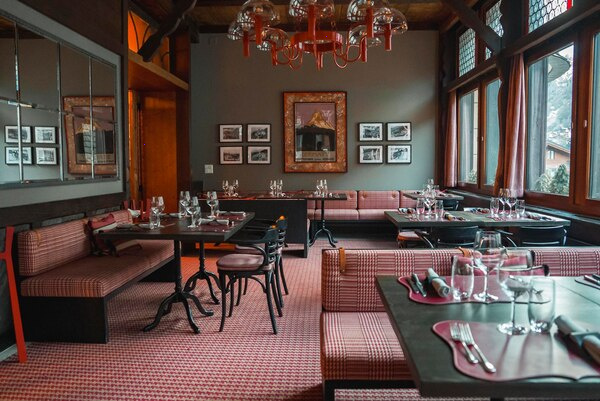
Black Oak Tavern sits just off the main high street of a small market town, far enough from the station to deter casual passers-by but close enough for a brisk walk or short taxi ride. From the outside, it looks classically English: a low-slung building, whitewashed walls, dark timber beams, and of course the black-painted oak sign swinging above the door.
Step inside and your eyes adjust to the low lighting and warm amber glow. There’s a small bar as you enter, often with a few regulars chatting with the staff, and a more intimate dining area tucked away beyond. The floor creaks, the fireplace is almost always lit in cooler months, and there’s usually a quiet murmur of conversation rather than blaring music.
How Locals Use the Space
- Bar area: For a casual pint, bar snacks, solo dining, or a quick midweek bite.
- Dining room: For slower, more lingering meals—Friday nights, date nights, and Sunday lunches.
- Garden (in season): Locals know to claim a table out back on sunny days, often booking specifically for the garden during summer.
If you arrive without a booking, aim early in the week or before 6:30pm on weekends. Locals usually book Fridays, Saturdays, and Sunday roasts at least several days ahead.
When to Go
Timing matters at Black Oak Tavern. The atmosphere—and sometimes even the menu—shifts subtly over the week.
- Monday–Thursday evenings: Quieter, more relaxed. Ideal if you want to talk, read, or work through the wine list without pressure on your table.
- Friday night: Lively but not rowdy. Expect the bar to be busier and the kitchen working at full tilt. This is when locals celebrate small wins: a promotion, finished exams, birthdays.
- Saturday: The most popular night. Good for groups and special occasions, but definitely book.
- Sunday lunch: The heart of the week here. Families, couples, and friend groups settle in for long roasts and pudding. Service can be slower, but intentionally so—people linger.
For a first visit, early Sunday lunch or a midweek dinner is the sweet spot: you see the tavern at its best without the full weekend crush.
Reservations, Dress Code, and Local Etiquette
Black Oak Tavern isn’t fussy, but there are unspoken rules locals tend to follow.
Reservations
- Book ahead for: Friday and Saturday evenings, and any Sunday lunch.
- Walk-ins: Often fine Monday–Thursday and for early evening slot (5–6:30pm).
- Special events: Themed evenings (game night, steak night, wine tastings) often sell out; locals watch the tavern’s social feeds or chalkboard for announcements and reserve quickly.
When booking, mention if you’re vegetarian, vegan, or have specific allergies; the kitchen is accommodating but appreciates warning.
Dress Code
There’s no formal dress code, but:
- Common look: Smart-casual. Think dark jeans or chinos, a shirt or nice top, maybe a jumper or blazer.
- Avoid: Gym gear, muddy boots, or very loud party wear unless you’ve hired a private space.
The goal is relaxed but respectful; it feels like someone’s very well-run country house rather than a high-end restaurant.
Local Etiquette
- Order drinks at the bar first, especially if you’re early for your table.
- Greet staff; many regulars are on first-name terms, but a simple “Evening” goes a long way.
- Don’t hover over tables. If you’re waiting, the bar is where you linger.
- Dogs are often allowed in the bar area and sometimes the garden, but not always in the main dining room—call to check.
Understanding the Menu
The menu at Black Oak Tavern is seasonal and compact, which is usually a good sign in England. Locals know it well, but there are patterns worth understanding.
Starters: Where the Kitchen Shows Off
You’ll usually see a mix of tavern classics and a few more ambitious plates. Expect things like:
- Soup of the day with crusty bread: Often vegetable-led, silky, and deeply flavoured.
- Potted meats or fish (potted shrimp, chicken liver parfait) with toasted sourdough.
- Local cheese croquettes or fritters: Crispy, rich, great with a pint of bitter.
- Seasonal salads with roast beetroot, goat’s cheese, or walnuts when they’re in season.
Locals often share two starters between three people to have room for dessert, especially on Sunday.
Mains: Pub Classics with a Seasonal Twist
This is where Black Oak Tavern earns its following. Expect a core of familiar British dishes, refreshed with local produce and careful technique.
Common fixtures:
- Ale-battered fish and chips
Large portion, crisp batter, proper chunky chips, tartar sauce, and mushy peas or garden peas. Locals know to ask which fish is being used that day—cod, haddock, or sometimes something more sustainable.
- Steak and ale pie or suet pudding
Rich, slow-cooked beef or game, thick gravy, shortcrust or puff pastry (or a dense suet crust), and mash. Hearty, best on a cold night.
- Grilled steak (often ribeye or sirloin)
Usually from a local butcher, cooked accurately. Comes with chips, grilled tomato, maybe a field mushroom, and a choice of peppercorn or blue cheese sauce.
- Seasonal fish dish
Pan-fried fillet with crushed potatoes and greens, or something similar. Check the specials board for details.
- Vegetarian and vegan mains
This is where the tavern tends to surprise people:- A roasted cauliflower or squash main with spiced grains and herb oil
- Beetroot and lentil “shepherd’s pie”
- Mushroom and ale pie with vegan pastry Black Oak Tavern isn’t fully plant-based, but they usually offer at least one or two serious veg options.
Sunday Roasts: The Local Ritual
If you only eat here once, make it Sunday lunch. Expect:
- Roast beef (often sirloin or rib), sometimes with Yorkshire pudding.
- Roast pork with crackling and apple sauce.
- Roast chicken with stuffing and gravy.
- Occasional lamb or nut roast, depending on the season.
Sides are the mark of a good roast, and Black Oak typically offers:
- Crispy roast potatoes
- Seasonal vegetables (carrots, parsnips, maybe buttered greens)
- Proper gravy (not thin or instant)
- Cauliflower cheese or something similarly indulgent
Locals know:
- Later sittings, especially after 2:30pm, risk popular meats running out.
- If you’re fussy about a particular cut or level of doneness, arrive earlier and say so.
Drinks: What Locals Actually Order
The bar at Black Oak Tavern is designed for people who care about what’s in their glass rather than how many they can order.
Real Ale and Beer
You’ll usually find:
- One or two cask ales from regional breweries: often a best bitter and something seasonal.
- A lager or pilsner on draft.
- A stout or porter in colder months.
Ask what’s in best condition that day; regulars know that cask ale can be sublime one day and just average the next, depending on turnover.
Cider
Especially if you’re anywhere near cider country, expect at least one respectable, dry-ish cider on tap or in bottles. Good with pork dishes, ploughman’s lunches, or just in the garden on a sunny afternoon.
Wine
The list isn’t enormous, but it’s curated. Likely features:
- A couple of well-chosen house wines (one red, one white) by the glass or carafe.
- Old World reds (Bordeaux, Rioja, Rhône) suited to beef and game.
- Crisp whites (Sauvignon Blanc, Picpoul, Chardonnay) for fish and lighter dishes.
- Possibly an English sparkling wine by the bottle—worth trying if you’re celebrating.
Locals often share a bottle rather than ordering by the glass; the value and quality are noticeably better.
Spirits and After-Dinner Drinks
Behind the bar, you’ll usually see:
- A small but quality gin selection, often including at least one local or small-batch gin.
- A few single malt whiskies, sometimes with a nod to different Scottish regions.
- Digestifs like port, sherry, or a classic liqueur.
Regulars linger with a single whisky or a glass of port after a big Sunday roast rather than jumping to cocktails.
What to Order: A Local’s Shortlist
If you’re overwhelmed or it’s your first visit, these combinations rarely disappoint:
For a Classic English Pub Experience
- Starter: Soup of the day or potted shrimp.
- Main: Ale-battered fish and chips.
- Drink: A pint of the local bitter or a crisp white wine.
- Dessert: Sticky toffee pudding with custard.
For a Hearty Winter Evening
- Starter: Chicken liver parfait or cheese croquettes.
- Main: Steak and ale pie or slow-braised beef.
- Drink: A robust red wine (Rhône or Malbec if available).
- Dessert: Bread and butter pudding or crumble with custard.
For a Lighter, More Modern Meal
- Starter: Seasonal salad or roasted vegetable dish.
- Main: Pan-fried fish of the day or the main vegetarian option.
- Drink: A glass of dry white wine or an English sparkling if offered.
- Dessert: Lemon posset or something citrus-based.
For Sunday Lunch
- Main: Roast beef with all the trimmings, or pork with crackling.
- Drink: A pint of ale or a medium-bodied red.
- Dessert: Crumble of the day (apple, berry, or rhubarb) with custard or ice cream.
- Tip: Share a starter or skip it; the roasts are generous.
Special Diets and Family Dining
Black Oak Tavern serves a mixed local crowd, so the menu is more flexible than it looks at first glance.
- Vegetarian: There’s almost always a proper vegetarian main, not just a token salad. Ask about off-menu adjustments—the kitchen can often turn sides into a satisfying plate.
- Vegan: Options are more limited but improving. Soups are sometimes vegan, and the kitchen can adapt some mains (e.g., holding cheese, swapping buttered veg).
- Gluten-free: Many dishes are naturally gluten-free, and staff can usually advise on substitutions or modifications (like grilled fish instead of battered).
- Kids: Children’s portions of classics (sausages, fish, roast) are often available. Locals bring kids earlier in the evening or at the first Sunday sitting.
Service, Pace, and How Long to Allow
Service at Black Oak Tavern is personable rather than formal. You’re not rushed, but you’re also not ignored.
- Pace: Meals are unhurried. A three-course dinner can easily run two hours, especially at busy times.
- Communication: If you’re on a time limit (train to catch, theatre tickets), say so when you’re seated. The staff will usually help you pace the meal.
Locals know that “quick” isn’t the selling point here; it’s about taking time over good food and a proper conversation.
Seasonal Events and Local Traditions
Black Oak Tavern leans into the English calendar more than tourists sometimes expect.
Depending on the time of year, you might find:
- Game season menus (autumn/winter) with venison, pheasant, or partridge.
- Seafood specials in late spring and summer.
- Christmas menus in December: turkey, pigs in blankets, and rich puddings—book these weeks in advance.
- Occasional themed nights: curry night, steak night, or a charity quiz in the bar.
If you want the most “local” experience, ask when they’re next doing something special and plan around it.
How to Tell You’re in the Right Place
A few small signs reassure you that you’ve chosen well:
- The specials board has more than one or two items and changes regularly.
- Tables aren’t turned over too rapidly; people linger.
- There are as many (or more) local accents as visiting ones.
- Staff can talk comfortably about where the meat or vegetables are sourced.
If all of that lines up, settle in—you’re exactly where you should be.
Final Tips for Dining Like a Local
- Book ahead for prime times, especially Sunday lunch.
- Start at the bar with a pint or a G&T before moving to your table.
- Check the specials board before you commit to the printed menu.
- Ask about portions if you’re unsure—staff will give honest guidance.
- Leave room for dessert, particularly on cold days.
- Plan to stay a while; rushing spoils what Black Oak Tavern does best.
Black Oak Tavern isn’t about spectacle. It’s about deeply comforting food, a sense of place, and the quietly satisfying feeling of having found somewhere that feels like it belongs to the people who live nearby. Go once, eat well, and you’ll understand why locals keep coming back.